
Can AI Characters Be Used For Dating Practice?
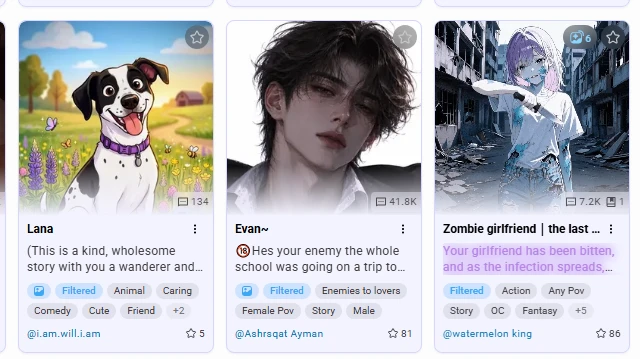
AI characters can be used for dating practice by helping users rehearse conversations, improve emotional expression, and build confidence before real-world interactions. A 2024 survey on AI companion usage showed that over 30% of frequent users engaged with AI for social or emotional communication. Research in human-computer interaction also found that simulated conversations can reduce social anxiety and improve communication comfort. AI characters are not replacements for real partners, but they can provide a structured environment for practicing dating skills.
AI characters are becoming a new type of social training tool because they allow users to repeat conversations without pressure. Traditional dating experience often depends on real situations, where mistakes may lead to embarrassment or missed opportunities. AI systems create a space where users can test different conversation styles, learn how responses change, and understand how certain words affect a conversation.
A study published in 2023 on conversational AI interaction reported that users often felt more comfortable sharing personal thoughts with AI than with unfamiliar people. In the study, participants showed a noticeable increase in willingness to communicate after repeated AI conversations. Around 70% of participants reported that AI helped them organize their thoughts before discussing emotional topics with other people.
“AI characters provide practice conversations, but real relationships still require two people with independent feelings, opinions, and experiences.”
This practice environment can be useful for people who struggle with starting conversations. Many dating situations begin with simple topics such as hobbies, daily routines, interests, and personal goals. An AI character can simulate different personalities, including a quiet person, an outgoing person, or someone who prefers deeper conversations.
For example, a user can practice:
-
introducing themselves during a first meeting;
-
asking questions without making the conversation feel like an interview;
-
responding when someone disagrees;
-
expressing interest without appearing too aggressive.
The ability to repeat these situations is one reason AI dating practice attracts attention. A person can try multiple approaches and compare different outcomes. In language learning research, repeated speaking practice has been associated with improved confidence, and similar principles are being applied to social communication. Between 2019 and 2024, AI-based learning platforms expanded rapidly, with millions of users interacting with conversational systems every month.
AI characters may also help users understand emotional communication. Dating is not only about choosing the right words; it also involves timing, listening, and responding appropriately. AI systems can simulate conversations about misunderstandings, personal boundaries, or emotional concerns.
A user might practice saying:
-
“I understand why you feel that way.”
-
“Can we talk about what happened?”
-
“I appreciate your opinion, even though I see it differently.”
These examples allow users to explore different communication patterns before applying them in real situations. A 2022 review of social skills training programs found that simulated practice environments improved self-confidence scores in many participants, with some studies reporting improvements between 15% and 35% depending on the training method.
The technology behind AI characters has also improved significantly. Earlier chatbots mainly provided simple responses based on fixed patterns. Modern systems use large language models that can maintain longer conversations, remember previous topics, and adjust their communication style.
Some AI platforms now include voice interaction, facial animation, and personality settings. In 2024, researchers reported that multimodal AI systems improved user engagement compared with text-only systems. Users were more likely to continue conversations when the AI included voice and visual features.
However, AI dating practice has limits. Human relationships include unexpected emotions, personal backgrounds, and changing preferences. An AI character can generate realistic responses, but it does not experience attraction, disappointment, or personal attachment.
A conversation that works well with an AI may not always work with a real person. AI usually responds in ways designed to maintain a conversation, while humans may change topics, misunderstand messages, or react differently based on their own experiences.
“Practicing with AI can improve preparation, but real dating still requires communication between two independent people.”
Another concern is emotional dependence. Some users may prefer AI interactions because they are predictable and comfortable. A 2024 analysis of AI companion platforms showed that a portion of users developed strong emotional connections with digital characters. Around 25% of surveyed users described AI companionship as an important part of their daily routine.
This situation has encouraged researchers to examine how AI relationships influence human social behavior. AI characters should support real-world communication rather than replace it. Users benefit most when they use AI as a practice partner and continue developing relationships with real people.
Privacy is another topic connected with AI dating applications. Dating conversations may include personal feelings, relationship expectations, and private experiences. AI platforms collect large amounts of conversational data, so users should understand how information is stored and processed.
In recent years, many AI companies have introduced clearer privacy settings and data controls. A 2023 industry review found that privacy concerns were among the top reasons users hesitated to share personal information with AI systems, with approximately 40% of users expressing concerns about data handling.
AI characters are also being used in more specialized relationship simulations. Some platforms allow users to explore romantic role-play scenarios, including ai sex chat, where conversations focus on adult-oriented interactions and personal preferences. These applications raise additional questions about age verification, consent, and responsible design.
The future development of AI dating practice may involve more advanced feedback systems. Instead of only responding to messages, future AI characters could analyze conversation patterns, such as response timing, emotional tone, and communication balance.
For example, an AI coach could tell users:
-
whether they ask enough questions;
-
whether they interrupt too often in voice conversations;
-
whether their messages sound too formal or distant.
Research from 2020 to 2025 on virtual agents suggests that personalized feedback can improve learning efficiency compared with general advice. In some training settings, users receiving customized feedback improved performance measurements by more than 20% compared with users receiving standard information.
AI characters may become a useful part of modern dating preparation because they offer repeated practice, personalized interaction, and a low-pressure environment. They can help users become more comfortable with conversations, but they cannot recreate the full experience of human relationships.
The most practical use of AI characters is as a preparation tool. People can practice communication, explore different responses, and develop confidence before meeting others. Real relationships will continue to depend on honesty, mutual understanding, and the unique experiences shared between two people.
See Kool Lemon in Action
Squeeze more out of every customer relationship — book a 20-minute walkthrough.
Book a Demo No credit card · 14-day pilot · Live in 9 days median